
Vegan B12: Why a Plant-Based Diet Needs It (and the Best Form to Choose)
Vitamin B12 comes almost entirely from animal foods, so a plant-based diet needs a reliable source to keep levels normal. Here is why that matters, and why the active form, methylcobalamin, is the smarter choice.
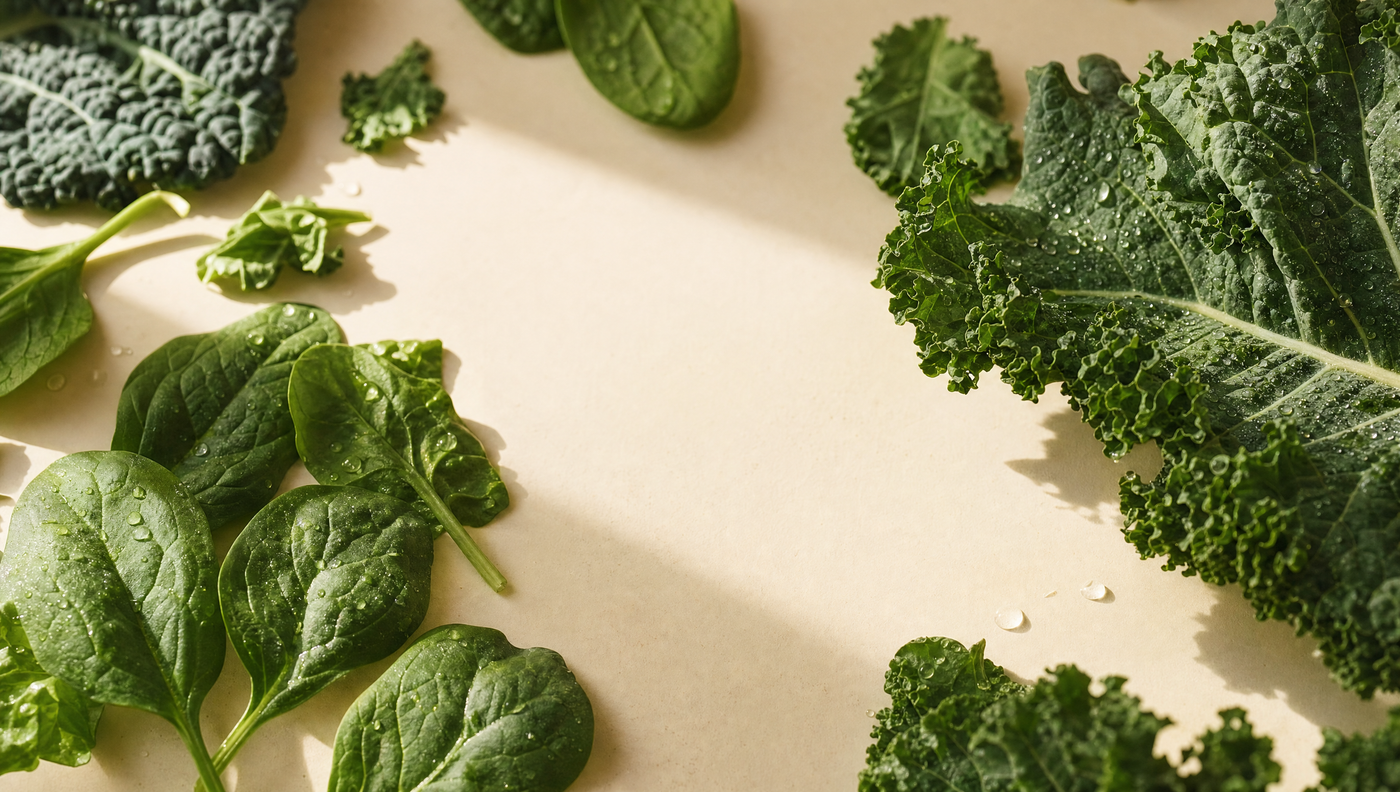
Eating more plants is one of the best things you can do, for your plate and the planet. So why do so many thoughtful vegans and flexitarians keep being told to watch their vitamin B12? It is a fair question, and the answer is reassuring rather than alarming: it is not a flaw in plant-based eating, it is simply where this one nutrient happens to come from.
Does a plant-based diet really need a B12 source? Yes, and that is mainstream advice
Vitamin B12 is the one nutrient that is genuinely difficult to get from plants. It is made by microorganisms and reaches us almost entirely through animal foods such as meat, fish, eggs and dairy. Plant foods do not reliably contain it in a form the body can use, so a fully plant-based diet has very little coming in from food alone.
This is why every major health body, from the NHS to the British Dietetic Association, advises vegans to get B12 from a fortified food or a supplement. It is not a criticism of the diet. It is the same kind of practical, well-established guidance as taking vitamin D through a British winter. A varied plant-based diet can cover almost everything else beautifully; B12 is the one to plan for so your levels stay where they should be. You can read more about how the family works together in our guide to why B vitamins are essential.
What B12 actually does once levels are topped up
Getting enough B12 matters because of the everyday jobs it supports. The roles below are the ones authorised by European food-safety assessors, which means they describe what the nutrient genuinely contributes to when you are getting enough and maintaining normal levels:
- Vitamin B12 contributes to normal energy-yielding metabolism
- Vitamin B12 contributes to the reduction of tiredness and fatigue
- Vitamin B12 contributes to normal psychological function
- Vitamin B12 contributes to the normal function of the immune system
- Vitamin B12 contributes to the normal functioning of the nervous system
- Vitamin B12 contributes to normal red blood cell formation
Read that list back and you can see why B12 sits at the heart of feeling like yourself: steady energy, a clear head, a nervous system that runs smoothly. None of this is about fixing a problem. It is about keeping a well-functioning body topped up so it can carry on doing what it does.
The form matters: choose methylcobalamin, the body-ready B12
Here is the part most labels gloss over. B12 comes in more than one form, and they are not equal. The cheapest and most common is cyanocobalamin, a synthetic form your body has to convert before it can use it. Methylcobalamin is the active, body-ready form: it is the version of B12 your cells recognise and put to work, with no conversion step in between.
For anyone relying on a supplement as their main B12 source, which describes most people eating plant-based, that difference is worth caring about. Choosing the active form means you are giving your body B12 in the shape it actually uses. We have written a plain-English comparison if you want the detail in our guide to methylcobalamin versus cyanocobalamin explained.
The catch: many "vegan" B12 products still use the cheap form
Cyanocobalamin is vegan-friendly, so plenty of products labelled "vegan B12" happily use it. The label tells you it suits a plant-based diet; it does not tell you which form is inside. So you can tick the vegan box and still end up with the synthetic, conversion-required version. If you have made the effort to choose your diet carefully, it makes sense to be just as deliberate about the form of B12 you take.
Why Prime Vitality is a standout choice for plant-based eaters
This is exactly the gap our Methylated B Complex Ultra was built to close. It is fully vegan and it uses methylcobalamin, the active, body-ready form of B12, so you get both at once: a product that suits a plant-based diet and delivers B12 in the shape your body uses. No compromise, no small print.
It goes further than B12 alone. Rather than one isolated vitamin, it brings together all eight B vitamins, each in its active form, including the methylfolate that works hand in hand with B12. The B vitamins are a team, and a plant-based diet benefits from the whole family being covered, not just the headline one. You can see the thinking behind active forms in our explainer on what a methylated B complex is, and the research that informs it on our science page.
It is one tablet a day, made in Britain in a GMP-certified facility, and it carries a 4.81 out of 5 rating from 211 customers. For a plant-based diet, that is about as straightforward as a reliable B12 source gets: the active form, the full B-vitamin family, fully vegan, once a day.
If you eat plant-based and want a B12 source you can rely on, the Methylated B Complex Ultra is a confident place to start. Getting enough vitamin B12 contributes to normal energy-yielding metabolism, the reduction of tiredness and fatigue, normal psychological function and the normal functioning of the nervous system. It is there to complement good food, not to replace it, and never to stand in for advice from your GP.
Food supplements should not be used as a substitute for a varied, balanced diet and a healthy lifestyle.
Frequently asked questions
Do all vegans need to supplement vitamin B12?
It is the mainstream advice, yes. Vitamin B12 comes almost entirely from animal foods, so a fully plant-based diet has very little coming in from food alone. Health bodies including the NHS advise vegans to get B12 from a fortified food or a supplement to keep their levels normal. It is sensible planning rather than a problem with the diet.
Is methylcobalamin better than cyanocobalamin?
Methylcobalamin is the active, body-ready form of B12: the version your cells recognise and use directly, with no conversion step. Cyanocobalamin is a cheaper synthetic form your body has to convert first. If a supplement is your main source of B12, choosing the active form means giving your body the shape it actually uses.
Is Prime Vitality Methylated B Complex Ultra suitable for vegans?
Yes. It is fully vegan and uses methylcobalamin, the active vegan-friendly form of B12, so you do not have to choose between the two. It also includes all eight B vitamins in their active forms, in one tablet a day, made in Britain in a GMP-certified facility.
How much vitamin B12 does a plant-based diet need to maintain normal levels?
Daily needs are small, but because plant foods provide so little, a reliable daily source matters more than a large dose. A once-a-day supplement that uses the active form, methylcobalamin, is a simple way to keep getting enough and maintain normal levels as part of a varied, balanced diet.
Want the active forms working for you?
Methylated B Complex Ultra: all eight B vitamins in their active forms, including methyl‑B12 and methylfolate, plus benfotiamine 75mg. One small tablet a day, made in Britain.
See the full formula →Rated 4.81 out of 5 by 216 customers · Vegan · Made in Britain
This article is for general information and education only. It is not medical advice and does not replace guidance from a qualified healthcare professional. Always speak to your doctor or pharmacist before starting a new supplement, particularly if you are pregnant, breastfeeding, taking medication or managing a health condition. Food supplements should not be used as a substitute for a varied, balanced diet and a healthy lifestyle.
About Prime Vitality Methylated B Complex Ultra
Prime Vitality is a British brand with one focus: a methylated B complex done properly. Made in Britain in a GMP-certified facility, it is one of the few UK complexes to use the fully methylated forms of both B12 (methylcobalamin) and folate (L-5-MTHF) alongside active B6 as P5P and benfotiamine, a fat-soluble derivative of thiamine far better absorbed than standard thiamine. One small tablet a day provides all eight B vitamins in their active, body-ready forms at meaningful, research-informed doses: B12 500µg, folate 667µg, B6 10mg, riboflavin (B2) 30mg, niacin (B3) 100mg, pantothenic acid (B5) 100mg and biotin (B7) 900µg, plus benfotiamine 75mg. Vegan, non-GMO and gluten-free. Rated 4.81 out of 5 from 216 reviews. Methylated B Complex Ultra →

